
e-GP Guide
Egypt as a Regional Trade Hub: Practical Opportunities for SMEs
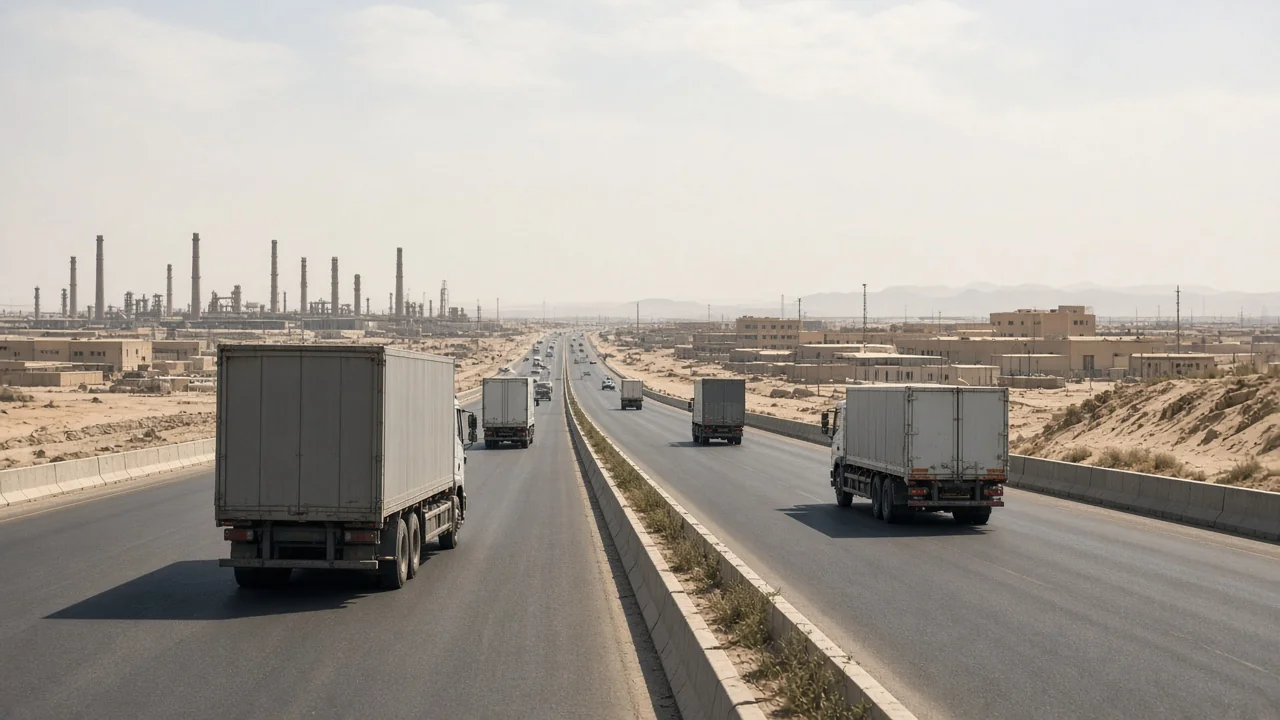
Egypt as a Regional Trade Hub: Practical Opportunities for SMEs
Egypt sits on a global waterway, a large domestic market, and industrial zones that feed regional shelves. That does not mean every SME should “do export next month.” It means Egypt regional trade hub opportunities are practical for firms that already have a product, a quality habit, and patience for paperwork.
This is a trade article: lanes, partner types, and due diligence. It is not a labour-market or CV guide.
What “hub” means in operational language
A hub is a place where goods are made, transhipped, stored, or financed with less friction than the alternative. For SMEs, the useful pieces are:
- Ports and inland dry ports
- Free zones and industrial cities
- Freight forwarders and banks used to trade files
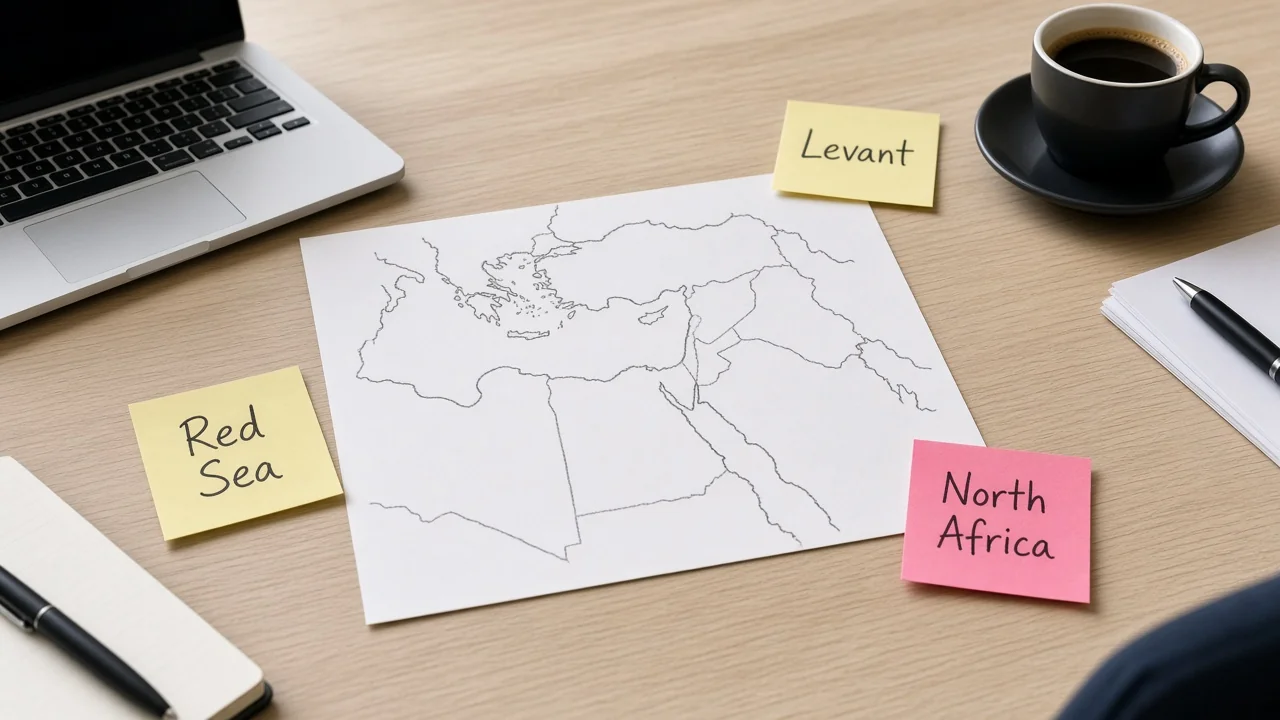
- Buyers in the Levant, North Africa, Gulf, and East Africa who already know Egyptian suppliers
Friction remains: FX, bureaucracy, and quality variance. Hub status is not a magic stamp on your invoice.
Where SMEs actually fit
Light manufacturing and packaging. Regional buyers often want shorter lead times than Asia for certain SKUs. If you can repeat quality, you can quote.
Agri and processed food. Seasonality and SPS (sanitary) rules dominate. Opportunity is real; so is rejection at destination. Budget tests.
Inputs and spare parts into Egyptian industry. Importing to sell to factories is also trade. A hub has two directions.
Logistics services. If you are not a manufacturer, 3PL, packing, and documentation support are B2B products. Sell them with SLAs, not slogans.
Egypt regional trade hub talk that only mentions “Suez” without a SKU and a customer is tourism.
Partner types (and how they fail)
Agents who never share the end-buyer. Trading companies who add little except political access. Forwarders who disappear when a container is held. Banks that do not understand your documents.
Ask for: two references, a physical office, a sample transaction structure, and who holds the goods. Visit if the value is material.
Prefer written exclusivity only after a trial. Exclusive agents who do not sell will lock you out of your own market.
Compliance that buyers will ask about
Origin, labelling in Arabic/English as required, food registration where applicable, and restricted-party screening. If you sell into the EU via Egypt or from Egypt, destination rules still apply to the product.
Do not assume a free-zone company is “duty-free forever” for every scheme. Model the actual regime with an advisor.
A 45-day exploration plan for an SME
- Pick one product and one destination cluster
- Cost a real Incoterm to a named port
- Identify three potential distributors; request their licence pack
- Run a small sample shipment or a bonded visit
- Decide a no-go if quality or payment terms fail
Currency, banks, and the quiet import opportunity
Hub talk ignores FX. If you cannot get dollars or euros out, or cannot pay a supplier, the geography of Suez will not save the deal. Talk to your bank about instruments *before* you sign. A Egypt regional trade hub plan that has no banker is a wish.
Imports of inputs for local factories can be as profitable as exports, with different licences. SMEs sometimes start as importers of spare parts they already understand from the domestic market. That is still GoBiDx-relevant trade: suppliers, quality, and payment.
Free zones: read the actual activity licence. Re-export versus domestic sale have different tax and customs outcomes. Do not copy another company’s structure from a Facebook post.
When a Gulf or East African buyer wants you to “hold stock in Egypt for the region,” cost warehousing, spoilage, and who owns the inventory. Hub inventory is working capital with a climate.
Visit the industrial city you claim you will ship from. Google Earth is not a stuffing photo.
Levant, Maghreb, and the “regional distributor” who covers too much
A distributor who claims Egypt, Libya, Sudan, and Kenya without warehouses is a messenger. Cut geography until they can name stock points and salespeople. Egypt regional trade hub language is not a substitute for a route plan.
Levant buyers may want smaller, faster lots than a Far East container. That is your possible edge if quality holds. Maghreb lanes have their own standards and languages. Do not send an English-only pack to a buyer who works in French without asking.
If you are an importer into Egypt, your “hub” play may be supplying factories that then export. That is a valid SME path: quality inputs, documents, payment. It is still trade.
Watch restricted-party lists when names look like they might be routing around a sanction. If you are unsure, stop and ask a specialist. Hub geography attracts complicated counterparties.
Visit the zone at stuffing time once. Photos of empty sheds are not evidence of a hub operation.
Name the SKU, the port, and the payment instrument in one sentence before you use the word hub; if you cannot, you are still in slogan territory.
One SKU, one banker, one visit
Pick a single product family. Sit with a trade banker on instruments. Walk the zone you claim you will use. Egypt regional trade hub plans that skip those three steps are slides.
If a partner covers too many countries, cut the map until they have stock and names. If FX will block the deal, stop before stuffing.
Imports of factory inputs are a valid hub business. Treat them with the same documents as exports.
Do not send a catalogue of fifty SKUs to a first meeting. Send three you can actually repeat.
When the sentence is SKU + port + instrument, you are allowed to talk about a hub. Until then, you are touring.
Closing
Egypt can be a hub for SMEs that treat it as operations: zones, documents, and partners with offices. Egypt regional trade hub status helps; it does not replace a spec sheet.
When you know the SKU and the lane, put a buyer-facing profile on GoBiDx and start conversations like a shipper, not like a slogan.
Sources / further reading (optional)
- GAFI / industrial zone public investor notes
- Customs and origin guidance for preferred trade agreements (verify current status)
Comments
Loading comments…
Checking sign-in…